

Director · Spine Clinic
Dr. Ban Seong-su
Biportal (bilateral) endoscopic spine surgery for disc, stenosis and fixation; neuroplasty; radiofrequency; cervical artificial disc. Named among Korea's Top 100 doctors by Medi Times.
Spine endoscopy →Gangnam Nanoori Hospital treats back, neck and joint problems for expats, travelers and medical visitors — with English-speaking coordinators, minimally invasive surgery and international insurance support.
Gangnam Nanoori Hospital (731 Eonju-ro, Gangnam-gu, near Hakdong Station Exit 10) is a spine and joint hospital with an international patient team that communicates in English. It treats spine, shoulder, hip, knee, elbow, hand, wrist, foot and ankle conditions, accepts Korean National Health Insurance for registered residents and works with international health insurance. Appointments can be requested by WhatsApp at +82-10-6290-9796.
Choose the area that hurts. Each clinic page explains the conditions we treat, how they're diagnosed and the non-surgical and surgical options available.
Disc herniation, stenosis, endoscopic spine surgery.
Spine center →
Lower back pain and sciatica, from injections to surgery.
Back pain →
Cervical disc, stiff neck and radiating arm pain.
Neck pain →
Sprains, tendon and ligament injuries for active people.
Sports medicine →
Rotator cuff tears, frozen shoulder, replacement.
Shoulder center →
Hip arthroscopy, labral tears, total hip replacement.
Hip clinic →
ACL and meniscus tears, arthroscopy, robotic replacement.
Knee center →
Tennis elbow, tendonitis, fractures, nerve compression.
Elbow center →
Carpal tunnel syndrome and wrist fractures.
Hand & wrist →
Ankle sprains and fractures, bunions, arthritis.
Foot & ankle →
Getting hurt far from home is stressful enough. Our international patient team handles the language, the paperwork and the scheduling so you can focus on getting better.
Reach our coordinators on WhatsApp, phone or email in English before, during and after your visit.
We accept Korean National Health Insurance for local foreigners and work with international health insurance.
Endoscopic spine surgery and arthroscopy mean smaller incisions, less pain and faster recovery.
Personal rehabilitation plans with dedicated physical therapists and follow-up support.
Gangnam Nanoori Hospital’s spine and joint centers are led by specialists who each focus on one part of the musculoskeletal system. Tap a doctor to see their full profile.
Biportal (bilateral) endoscopic spine surgery for disc, stenosis and fixation; neuroplasty; radiofrequency; cervical artificial disc. Named among Korea's Top 100 doctors by Medi Times.
Spine endoscopy →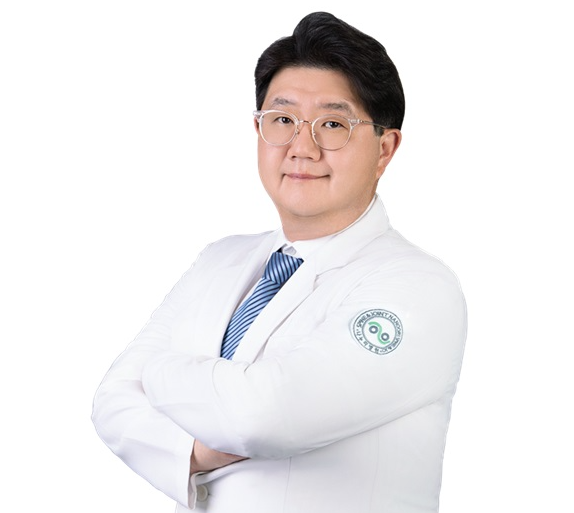
Age-related spinal disease, osteoporotic compression fractures, spondylolisthesis, spinal stenosis, neck and lumbar disc disease.
Back pain care →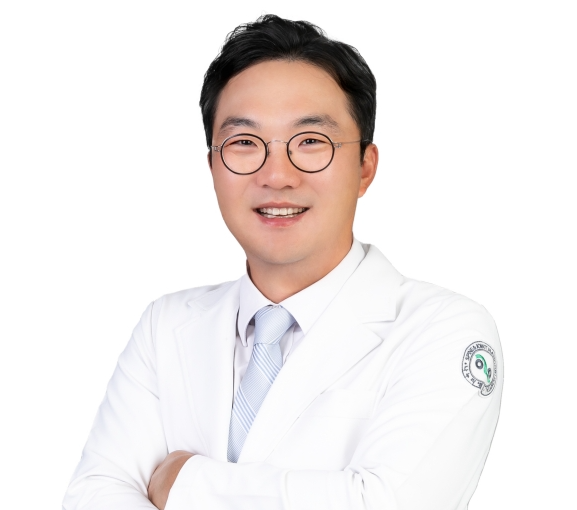
3D robotic shoulder and knee replacement, arthroscopic surgery (shoulder, knee, ankle), bow-leg correction, cartilage regeneration, cruciate ligament reconstruction.
Knee replacement →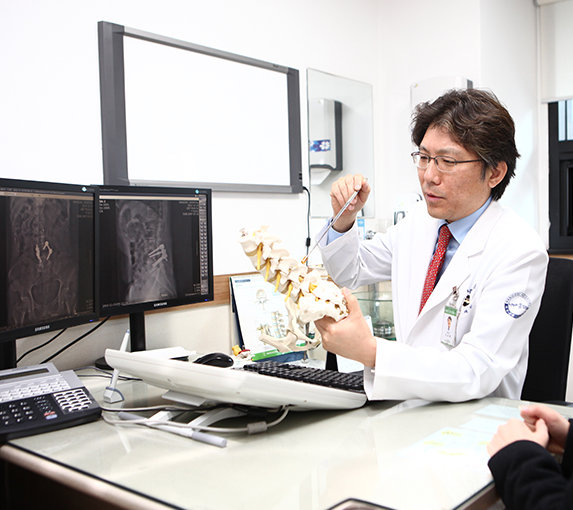
Neck and lumbar disc herniation, spinal stenosis, microscopic spine surgery, minimal-incision spinal fusion, spinal tumors.
Neck pain care →
Anesthesiology & pain medicine: C-arm, ultrasound and CT-guided nerve blocks and joint injections, endoscopic epidural neuroplasty.
Non-surgical spine care →
Neck and lumbar disc disease, spinal stenosis, spinal reconstruction surgery, chronic pain treatment and rehabilitation exercise therapy.
Full profile →
Biportal spinal endoscopy, spinal stenosis, spondylolisthesis, minimally invasive spine surgery, nerve branch block.
Full profile →
Endoscopic spine surgery, neck and lumbar disc disease, stenosis, spondylolisthesis, interventional pain procedures, sciatica.
Full profile →
Spinal endoscopy, scoliosis and other spinal deformities, artificial disc, degenerative spine disease.
Full profile →
Neck and lumbar disc, spinal stenosis, spondylolisthesis, minimally invasive spine surgery, nerve branch block.
Full profile →
Neck and lumbar disc, spinal stenosis, spondylolisthesis, minimally invasive spine surgery, medial branch block.
Full profile →
Biportal spinal endoscopy, neck and lumbar disc, stenosis, spondylolisthesis, nerve branch block.
Full profile →
Robotic joint replacement, bow-leg correction, shoulder and knee arthroscopy, bone marrow injection for arthritis.
Full profile →
Shoulder and knee disorders, rotator cuff injuries, shoulder dislocation, wrist, elbow and hip, sports injuries, arthroscopy.
Full profile →
Robotic joint replacement, arthroscopy of knee, shoulder, wrist, ankle and elbow, TFCC injuries, sports medicine, cartilage and ligament injuries.
Full profile →
Shoulder and knee disorders, rotator cuff, frozen shoulder, joint replacement, arthroscopy, sports medicine, fractures, osteoporosis.
Full profile →See every Nanoori physician, including neurology, internal medicine, anesthesiology and radiology →
Short videos from Nanoori specialists on spine and joint conditions and treatments. Most videos are in Korean — ask our English-speaking team about anything you see.
A tour of the team and services for international patients.
Dr. Yun Kyo Jung explains how the two approaches differ.
Dr. Seung Bum Kim on why health status, not age, decides treatment.
Signs of chronic ankle instability in runners and football players.
Korean National Health Insurance for registered foreign residents · International health insurance for visitors and expats. Send us your policy details on WhatsApp and we'll explain the next step.
Whether you live in Seoul or are flying in for treatment, this is what to expect.
Send your symptoms on WhatsApp or email in English.
Upload any MRI, X-ray or reports for a specialist to review.
We schedule your consultation and imaging around your stay.
Non-surgical care or minimally invasive surgery, explained clearly.
A rehab plan and continued support by message.
Detailed English guides to symptoms, diagnosis and treatment options at our Gangnam hospital.
Can't find your answer? Message our English-speaking team — WhatsApp is the fastest way to reach us.
Ask on WhatsApp
Yes. Our international patient coordinators communicate in English by WhatsApp, phone and email, and accompany you through registration, consultation and treatment so nothing gets lost in translation.
We work with international health insurance for foreign patients. Send your insurer and policy details before your visit and our team will explain how billing and claims documents work for your plan.
Yes. Foreign residents enrolled in Korean National Health Insurance (NHIS) can use it at Nanoori Hospital, just like Korean patients.
Message us on WhatsApp at +82-10-6290-9796 with your symptoms and where you're staying. We'll arrange the earliest available orthopedic appointment. For a life-threatening emergency in Korea, call 119.
Many patients improve with non-surgical care: physical therapy and rehabilitation, image-guided nerve blocks and joint injections, radiofrequency treatment and endoscopic epidural neuroplasty. Surgery is recommended only when it's the right option.
It's a minimally invasive technique that treats disc herniation and spinal stenosis through small incisions using a camera. Compared with open surgery it typically means less muscle damage, less pain and a quicker return to daily life. Learn more about spine endoscopy.
731 Eonju-ro, Gangnam-gu, Seoul. Take Seoul Subway Line 7 to Hakdong Station and use Exit 10 — the hospital is a short walk away.
Last updated October 2026. This page is for general information and does not replace a medical consultation.
To get in touch with us at Gangnam Nanoori Hospital, we're here to assist you! Whether you have questions about our orthopedic treatments or need to schedule an appointment, our team is ready to help.
At Gangnam Nanoori Hospital, we specialize in advanced spine surgeries, total joint replacements, and minimally invasive orthopedic treatments. Our expertise includes lumbar disc herniation surgeries, cervical spine treatments, and knee and hip joint replacements. With cutting-edge techniques and a highly skilled team, we ensure faster recovery times and optimal results for our patients.
For Booking : +82-10-6290-9796
Enquiry : ihc_info@mfnanoori.co.kr
Address : 731 Eonju-ro, Gangnam-gu, Seoul.
Hakdong Station Exit 10