Common Spine & Joint Conditions Explained
What causes back, neck, knee, shoulder, hand and foot problems, and which symptoms to watch for — herniated disc, cervical disc disorder, knee arthritis, frozen shoulder, carpal tunnel syndrome, hallux valgus and rheumatoid arthritis.
Seven common problems seen at Gangnam Nanoori Hospital: herniated lumbar disc, cervical disc disorder, degenerative knee arthritis, frozen shoulder, carpal tunnel syndrome, hallux valgus (bunion) and rheumatoid arthritis. For each, you will find what it is, why it happens and the typical symptoms — if they sound familiar, getting examined early is recommended.
Back Conditions
What is a herniated disc?
A condition in which pain occurs when a disc is pushed out of its original position and presses on a nerve
The condition commonly expressed as a waist disc is another expression of a herniated disc.
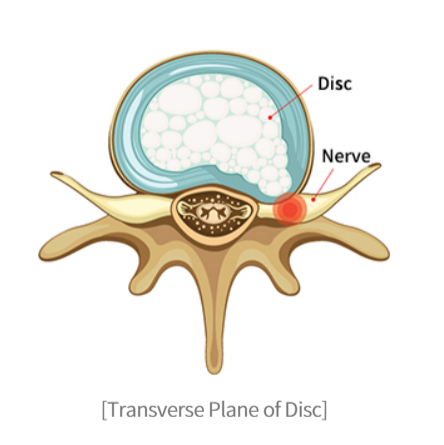
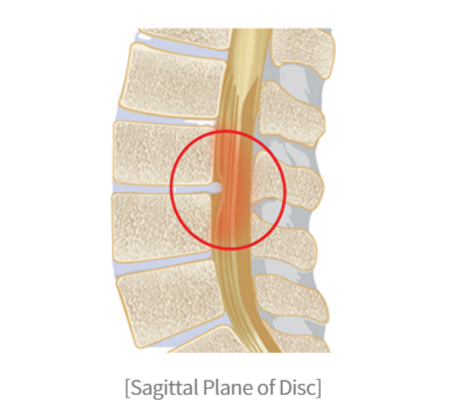
It is a condition in which pain occurs when the disc, which should absorb shock like a cushion between the vertebrae, moves out of place and puts pressure on the nerves passing through the spinal canal.
Why does it happen?
The causes are largely divided into trauma and degenerative causes.
- Sudden posture changes, bowing down, turning at the waist
- Trauma such as a fall or bump
- Poor lifestyle and posture
(crossed legs, prolonged sitting in a chair, etc.) - Sudden lifting of heavy objects.
What are the symptoms?
Sore, tingling radiating pain in the legs with low back pain
- Constant pain in my lower back.
- A burning, tingling sensation in my legs.
- A tingling, burning, or stabbing sensation in my lower back.
- Numbness in the lower back or feeling different in both legs.
- A strange gait, such as staggering.
- Unlike usual, stool and urine are abnormal. (if symptoms are severe)
Next step: Back pain & sciatica treatment in Gangnam →
Neck Conditions
What is cervical disc disorder?
A condition that causes pain by compressing a spinal nerve
Cervical disc disorder is a condition in which a disc between the cervical vertebrae (neck vertebrae) herniates, or bone tissue grows abnormally and compresses the spinal nerves that pass through the neck, causing pain.


Why does it happen?
There are multiple causes, including poor lifestyle habits.
- The habit of protruding the head and neck forward while sitting for a long time
- Direct impact such as accidents
- Using a high pillow
- In case of damage to the cervical vertebrae or joints due to an external impact such as an accident
- Having flat feet or wearing shoes that don't fit your feet for a long time
What are the symptoms?
Initially, there may be no specific symptoms.
- Pain radiates from the neck to the shoulders and arms.
- The strength of the hand is reduced and there is an abnormality in sensation.
- Pain in the chest, back, or around the shoulder blades, headaches, dizziness, etc. may occur.
- In severe cases, damage to the spinal cord can lead to weakness in the legs or paralysis.
Next step: Neck pain treatment in Gangnam →
Knee Conditions
What is degenerative arthritis?
A disease in which articular cartilage is damaged due to aging
As we age, our body functions decline, and as a result of these degenerative changes, the amount of knee cartilage that absorbs shock and smoothes joint motion decreases.
It is a disease in which the bones between joints rub against each other as the cartilage decreases, causing inflammation and pain.
The onset and symptoms vary from patient to patient due to a variety of factors such as age, genetic predisposition, obesity, joint shape, and hormones.


Why does it happen?
Caused by various causes, not just aging
- Aging, obesity, genetic predisposition and hormones
- Sports injuries from excessive exercise, such as soccer, basketball, etc.
What are the symptoms?
Pain goes away with rest, but overall knee pain occurs.
- Initially, the pain goes away with rest, but the knee becomes stiff, slightly painful, and feverish.
- Knees throb and slightly swell when walking for long periods of time, especially when going down stairs.
- If left untreated, the cartilage continues to wear away so that even a short walk hurts and the knee throbs at night.
Next step: Knee pain & arthritis care in Gangnam →
Shoulder Conditions
What is frozen shoulder?
The joint membrane surrounding the shoulder joint degenerates and causes inflammation.
Frozen shoulder is a condition in which the tissues around the shoulder joint become inflamed and painful, gradually restricting shoulder movement.
The cause of the condition is unknown, but it is called frozen shoulder because it occurs most often around the age of 50.
Recently, the age of onset has been decreasing to the 30s and 40s.


Why does it happen?
Caused by aging and various causes
- Caused by degeneration of the soft tissues of the joint as we age
- Prolonged shoulder stiffness
- Caused by trauma such as injury
- No specific cause
What are the symptoms?
The pain gets worse at night
- General stiffness and pain in the shoulder
- Shoulder stiffness makes it difficult to lift your arm upward to brush your hair, etc.
- The pain gets worse at night, making it difficult to sleep on the affected side.
- The pain is worse when the weather is cloudy.
Next step: Shoulder pain & frozen shoulder care →
Hand Conditions
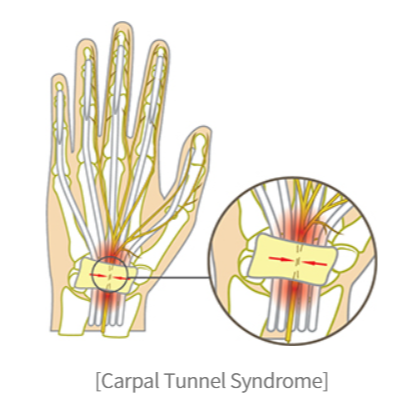
What is carpal tunnel syndrome?
Nerve compression in the wrist
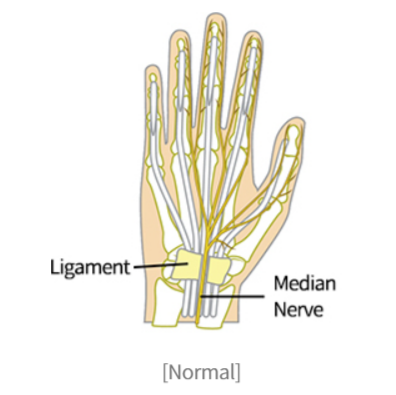
Frequent use of the wrist can cause tendons to swell or become inflamed, compressing the carpal tunnel, where nerves, blood vessels, and ligaments pass through the wrist.
This results in pain, tingling and numbness in the fingers, and in severe cases, difficulty moving the hand.
Why does it happen?
Repetitive wrist use causes strain on the joints
- Frequent wrist use such as housework, smartphone use, and driving
- Swelling due to rheumatoid arthritis
What are the symptoms?
Pain goes away with rest, but overall wrist pain occurs
- Tingling in the thumb and part of the second, third, and fourth fingers.
- No tingling in the little finger.
- Pain occurs in the wrist.
- Tingling in fingers and loss of sensation when picking things up.
- Pain occurs in the wrist when the arm is raised.
- A stabbing pain occurs when you hold both wrists together in a T-shape.
Next step: Carpal tunnel syndrome treatment →
Foot Conditions
What is Hallux Valgus?
A condition where the big toe protrudes like a bump.
A joint deformity in which the big toe bends toward the little toe and protrudes like a bump.
It occurs mostly in women.


Why does it happen?
A combination of congenital and acquired factors
- Congenital factors such as flat feet, wide feet, overly flexible joints, etc.
- Acquired factors, such as wearing pointed shoes, high-heeled shoes, etc.
- Genetic causes
What are the symptoms?
External changes and pain
- Big toe bends toward little toe.
- Every time I walk, the protruding part comes into contact with the shoe, causing pain.
- The second and third toes bear weight instead of the big toe and develop calluses.
Next step: Bunion (hallux valgus) treatment →
Rheumatoid Arthritis
What is rheumatoid arthritis?
Rheumatic diseases are inflammatory conditions caused by an abnormality in the autoimmune system, which causes an inflammatory response in the synovial membrane that lines the joints and damages the cartilage.
Rheumatoid arthritis usually starts in small joints, such as the hands and feet, and progresses to larger joints such as the knees. If left untreated, rheumatoid arthritis can cause inflammation to spread to cartilage and bone, resulting in joint destruction, deformity, and dysfunction.


What are the symptoms?
What are the symptoms?
- Fatigue, loss of appetite, weight loss, and general weakness, etc. appear.
- Swelling and pain in joints from fingers and toes to elbows, shoulders, and knees.
- Your joints feel stiff when you wake up in the morning.
- When you wake up in the morning, your joints are stiff and difficult to move for more than an hour.
Next step: Arthritis care in Gangnam →
※ If you're experiencing any of the above symptoms, it is recommended that you get tested.
This page is general health information, not a diagnosis. If pain persists, worsens, or comes with numbness, weakness or loss of bladder/bowel control, see a specialist promptly.
Treatment guides by area
Recognize any of these symptoms?
Our international team arranges English-speaking consultations, imaging and treatment plans at Gangnam Nanoori Hospital.